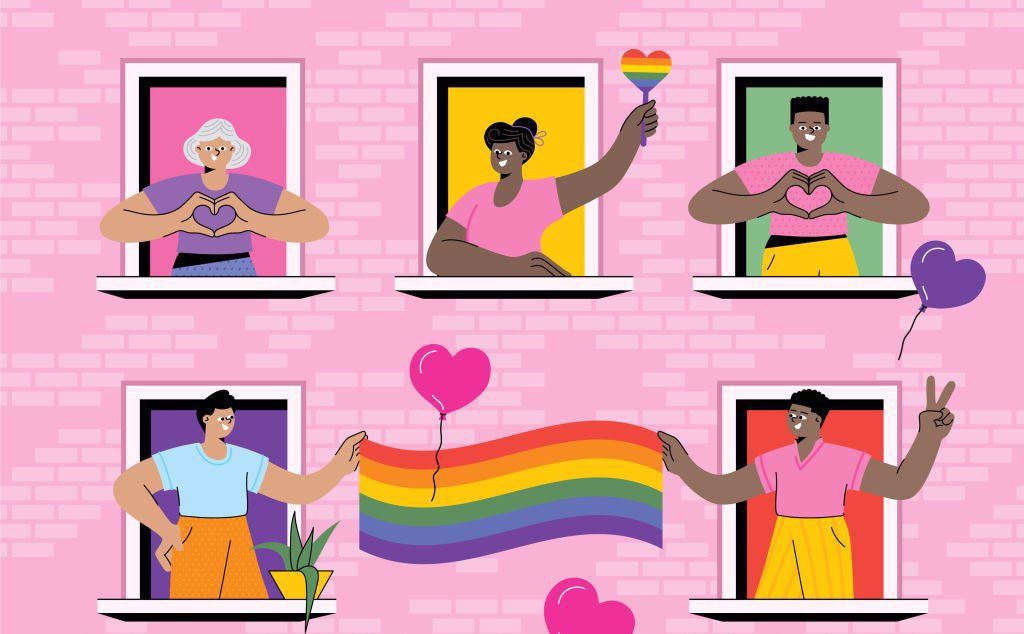
Welcome June, and a happy Pride to those who celebrate!
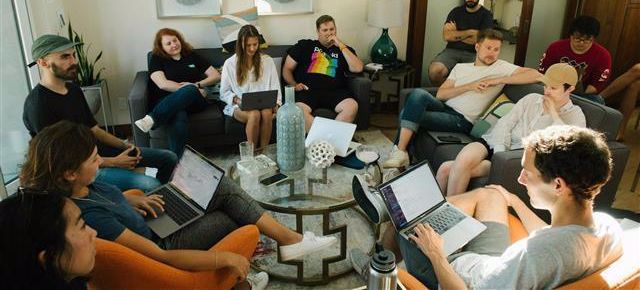
Today I’m remembering the Lavender Program, which served women and LGBTQ+ people in conjunction with Network member MISSION at the Jimmy Hill “Purple” House. While the project lasted only one season in 2022, we are still working to integrate the lessons it taught in our community.
Since then, MISSION has decided that such population-specific programs are not in line with their organizational goals and values, which is an important and difficult process in program development for any organization. I have long appreciated their group’s particular commitment to serving all. Still, we have a gap in services that the Lavender Program filled and that I would love to see filled again.
Part of my vision for Washtenaw county’s future homeless community is a house of hospitality operating in the spirit of this project - a space created for women and LGBTQ+ people that prioritizes their specific recovery needs. As a queer person I myself found difficulty fitting into the dynamics of the formal sheltered system. Having homelike space managed by people dedicated to my safety - not just as a nameless unhoused person, but as a queer person with a distinct and culturally significant identity and care needs - would have decreased the trauma that I experienced and improved my quality of life as I sought to regain stability.
|
|
|---|
|
Our movement towards dignified housing choices for all will continue to require a diversity of thought and tactics. There is no one size fits all approach to homelessness, and while large institutions will continue to be a necessity in the enormity of this societal challenge, the grassroots will continue to be the most capable of responding to those living in the margins of the marginalized.
While I won’t always use this space to dream up big wild new projects, I believe it’s important to continue to speak to life what could be for our shelter system. I am to dream big, work steadily, and make it happen. And that starts with sharing that vision with all of you. Thanks for listening.
If you’re on our members WhatsApp thread, you probably already know that I’ve been thinking about a place where LGBTQ and homelessness politics both see tensions flare - the bathroom.
Ann Arbor is debuting these temporary public restrooms, which require either a smartphone app or a physical pass to enter. The passes will be available through Delonis, which will also have one of the restroom units hosted onsite, so clearly the unhoused community was in mind with this effort. I appreciate that steps are being taken to alleviate the strain of homelessness and address some of the negative impacts that its complications create for the broader community. As we discussed in my last newsletter about ChristNet Services, can cause devastating repercussions for the availability of services.
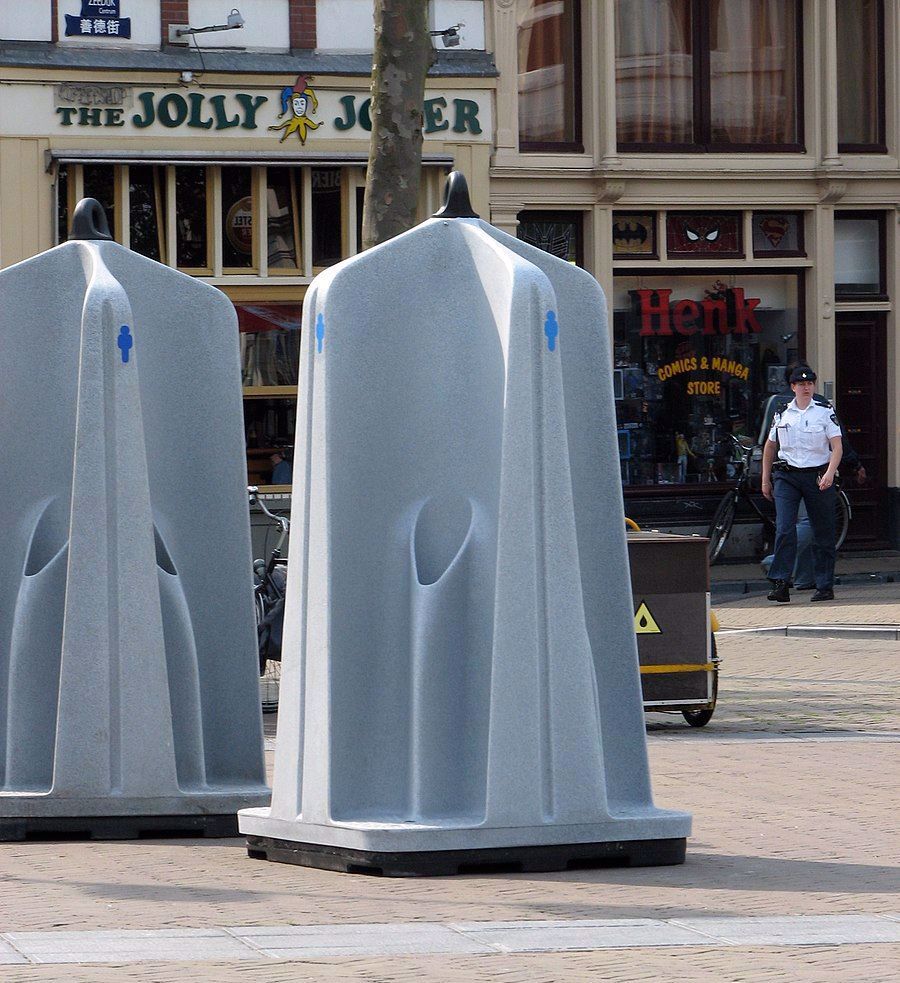
However, I will challenge whether we can truly call a bathroom that offers these barriers to entry accessible. The only barrier to entry to a toilet should be a safely latched door. And personally, I am in favor of more radically accessible solutions - but if it causes a scandal in France where more open facilities have long historic precedent, public urinals topped with flower boxes at our scenic overlooks may be a long way off for Washtenaw County.
|
|
|---|
|
It's important to consider that while many, if not most, unhoused people have access to a smartphone, they and many others also have: uncharged batteries, poor signal, broken screens, lost chargers, reached their data limits, weird glitches, and other little technological inconveniences that should not be a barrier to accessing a toilet. (For more on homelessness and the complications of smartphone access, read or listen to Shelterforce’s “Cellphones Are a Lifeline for Unhoused People—But Barriers Abound”)
I understand that these tech startup toilets are meant to “determine where permanent public restrooms are needed in the downtown.” Though I admit finding myself confused, as the current list of locations all look like great places for permanent public restrooms. I’m sure there are budgetary constraints. Perhaps process is meant to determine
priority, rather than overall need. But most of the locations are public parks. It may be an idealistic and controversial stance, but I believe every public park should have public restrooms (admittedly more challenging when you have 162 of them, like Ann Arbor).
If we need to gather more data on restroom use, there are ways to collect information that better honor resident privacy than a contractor with access to our smartphones. If people need to report an issue with restroom maintenance, we’ve got the impressive A2 FixIt system. I hope that these bathrooms remain temporary as intended and do not become a longer term solution. And when it comes to installing permanent bathrooms, there are great suggestions and solutions on how to reduce harm for people using drugs and make public bathrooms safer and more inclusive for all.
I look forward to our next Homelessness Solidarity Network meeting Wednesday June 12 at 11am at Solidarity Hall!
In partnership,
KJ
|
|
|---|
|
|